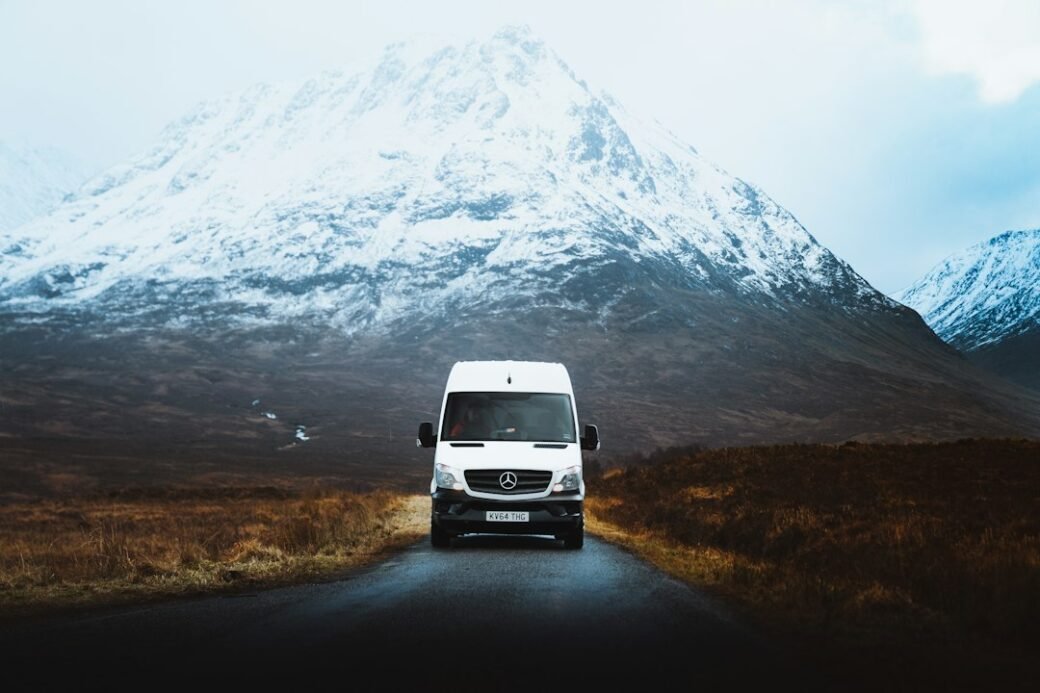
What is a nomadic lifestyle? A nomadic lifestyle is a way of living in which a person or community moves between places rather than staying permanently in one location. Traditionally, people followed seasonal grazing areas, food sources, trading opportunities, or changing environmental conditions. Today, some people choose a modern nomadic lifestyle by traveling between cities, living in a campervan, or working remotely while exploring new places.
Although images of mountain roads, beautiful beaches and laptop-friendly cafés make nomadic living look effortless, the reality involves planning, flexibility and compromise. This guide explains what nomadic living means, the different types of nomads, its benefits and challenges, and how to decide whether it might suit you.
What Is a Nomadic Lifestyle? Meaning and Definition
In simple terms, nomadic living means moving from place to place as part of your way of life rather than treating every journey as a short holiday. Nomads may travel on a predictable seasonal route or change locations more freely. Some have a home base and travel for months at a time; others spend much of the year on the move.
The important distinction is that being nomadic is about a pattern of life, not merely taking frequent vacations. A person who travels for a two-week holiday is a tourist, while someone who organizes housing, work, possessions and routines around ongoing movement may be living nomadically.
Where Did Nomadic Living Begin?
Nomadic ways of life existed long before modern borders, offices or digital technology. Across different regions, communities developed mobile lifestyles suited to local landscapes and resources. Pastoral nomads, for example, move livestock between grazing areas; other historically mobile groups relied on hunting, gathering, or trade.
It is important not to treat all traditional nomadic communities as interchangeable. Their histories, relationships to land, social structures and cultures are diverse. Modern travelers who describe themselves as nomads may share the experience of moving frequently, but their motivations and circumstances can be very different.
Types of Nomadic Lifestyles
1. Traditional and Pastoral Nomads
Some communities move seasonally with animals or other livelihoods that depend on local conditions. These movements may be established through generations of cultural knowledge and social relationships. Such lifestyles are not simply an adventurous travel trend; they are connected to heritage, work and community.
2. Digital Nomads
Digital nomads use internet-connected technology to work remotely while traveling or living in multiple locations. Common examples include freelance writers, designers, programmers, online consultants and people who run location-independent businesses.
Research published in Information Technology & Tourism describes digital nomadism as a combination of location-independent work and ongoing travel. Not every remote worker is a digital nomad: working from home without regular mobility is different from deliberately combining work and travel.
3. Van-Life and Road-Travel Nomads
Some people live for extended periods in campervans, converted vehicles or motorhomes. This offers mobility and the possibility of keeping everyday possessions in one place, but requires practical planning around parking, water, sanitation, maintenance, safety and local overnight-stay rules.
4. Slow-Travel Nomads
Slow travelers stay for weeks or months in each destination rather than moving every few days. They may rent accommodation, learn local routines and build relationships before traveling onward. Slow travel can reduce exhaustion and repeated transportation costs, although visa rules and housing expenses still matter.
What Does Everyday Nomadic Life Look Like?
A typical day depends on the person’s income, travel style and responsibilities. A digital nomad might start with work calls, spend the afternoon exploring a neighborhood and plan the next destination in the evening. Someone traveling by van may organize days around driving distances, campsites and basic utilities. A seasonal pastoral household may plan movement around livestock and grazing conditions.
Regardless of the type, nomadic living usually means regularly managing accommodation, transportation, belongings, connectivity, spending and relationships. The more frequently you move, the more time those logistics can demand.
Benefits of a Nomadic Lifestyle
Freedom to Explore Different Places
For people who have the resources and flexibility to choose it, moving between destinations can create opportunities to experience different landscapes, foods, languages and communities. New surroundings may also encourage curiosity and personal growth.
Flexibility and Independence
A location-independent job may allow a person to choose a living environment that better matches their priorities, whether that means cooler weather, access to nature or more time near family. However, flexibility is not unlimited: employers, clients and local laws can restrict where work can be performed.
Learning to Live With Less
Frequent movement can encourage people to carry fewer possessions and focus on essentials. A smaller wardrobe, versatile travel items and mindful shopping may simplify daily decisions. This approach can complement a more intentional, less cluttered lifestyle.
New Perspectives
Travel can expose people to different social norms, ways of working and everyday habits. These experiences can be valuable when approached respectfully and with an interest in learning rather than simply collecting destinations.
Challenges and Disadvantages of Nomadic Living
Unpredictable Costs
Transportation, short-term rentals, insurance, repairs, local taxes and currency fluctuations can make spending difficult to predict. A place that seems inexpensive at first may become costly when frequent travel and temporary accommodation are included.
Loneliness and Relationships
Changing locations frequently can make it harder to maintain friendships, build community and spend time with loved ones. Some nomads reduce this challenge by staying longer in each place, scheduling regular calls or returning periodically to a familiar home base.
Work and Internet Access
Remote workers still need reliable connectivity, quiet spaces and predictable working hours. Time-zone differences and unstable connections can complicate meetings and deadlines. A location-independent job does not mean every location is suitable for working.
Legal, Visa and Tax Responsibilities
Permission to visit a country does not always mean permission to work there. Digital nomad visa rules, taxation, residency, insurance and business obligations can vary widely. Check current official requirements and obtain qualified guidance before making commitments.
Health, Rest and Routine
Changing beds, unfamiliar healthcare systems, irregular meals and repeated travel days can make healthy routines difficult to maintain. Building time for sleep, movement, meals and downtime is important even when the calendar is flexible.
Nomadic Lifestyle vs. Settled Lifestyle
| Nomadic Lifestyle | Settled Lifestyle |
|---|---|
| Frequent or seasonal changes of location | Usually centered on one primary home |
| More flexibility to explore different environments | Often greater consistency in daily routines |
| Regular travel, accommodation and logistics planning | Less repeated relocation planning |
| Building relationships across multiple places | More opportunities for long-term local community ties |
Neither option is inherently better. Some people thrive with movement and variety, while others prefer stability and a strong connection to one community. Many combine elements of both.
How to Start a Modern Nomadic Lifestyle
Step 1: Decide Why You Want to Travel
Ask whether your goal is freedom, new experiences, lower living costs, personal growth, or a change in routine. Understanding your priorities can help you avoid choosing a lifestyle based only on attractive social-media images.
Step 2: Test It Before Making a Big Move
Try a short working trip or a few weeks away from home. Keep your usual responsibilities and notice how travel affects your energy, productivity, budget and sense of connection.
Step 3: Create a Realistic Budget
Estimate accommodation, transportation, food, mobile data, insurance, taxes, emergency expenses and trips home. Keep an emergency fund and avoid relying on an optimistic estimate of freelance earnings.
Step 4: Plan Work and Connectivity
If you intend to work online, confirm that your work arrangement permits travel. Check internet options, time zones, backup connections, secure work practices and access to quiet spaces.
Step 5: Understand Your Destination’s Rules
Review visa conditions, local employment restrictions, tax implications, travel insurance coverage and healthcare access using official sources. Do not assume that rules are identical from one country to another.
Step 6: Pack for Your Actual Needs
Choose versatile clothing, essential documents, medicines, and dependable equipment. The goal is not to own as little as possible at any cost; it is to carry what makes your life functional and comfortable.
Step 7: Build a Sustainable Routine
Set aside time for work, rest, movement, communication with family and meaningful experiences. Consider traveling slowly rather than constantly changing destinations.
Is a Nomadic Lifestyle Expensive?
There is no single cost of living for nomads. Expenses depend on where you go, how you travel, the kind of accommodation you choose and how much you move. Living in one destination for several months can sometimes be more affordable than constantly booking flights and short stays. On the other hand, reliable insurance, equipment and unexpected transportation costs may offset apparent savings.
Before planning your first long trip, compare a realistic monthly budget for several possible destinations and add room for unexpected expenses. Financial flexibility can matter just as much as geographic flexibility.
Who Is a Nomadic Lifestyle Best For?
Modern nomadic living may suit people who enjoy change, adapt well to unfamiliar environments, can manage logistics and have suitable income arrangements. It can be less practical for people who need consistent in-person care, location-dependent work or highly stable routines. There is also a middle ground: periodic travel or several months abroad may offer some benefits without requiring full-time mobility.
If travel inspiration is your main interest, explore the Travel section. For ideas about routines, self-care and everyday choices, browse our Lifestyle articles and Wellness section.
Frequently Asked Questions About Nomadic Living
What is a nomadic lifestyle in simple words?
It means living in a way that involves moving between places instead of staying permanently in one location.
What is the difference between a nomad and a digital nomad?
A nomad is anyone whose way of life involves ongoing mobility. A digital nomad is a particular type of modern nomad who uses technology to work remotely while traveling.
Can you be nomadic and still have a home?
Yes. Some people maintain a home base and travel for long periods. There is no single housing arrangement shared by every nomad.
Do nomads travel all the time?
No. Some move seasonally or spend months in one place. Nomadic living can involve deliberate periods of staying put between journeys.
What jobs support a digital nomad lifestyle?
Jobs that can be performed remotely, including writing, design, software development and consulting, may support it when employers, clients and local laws permit the arrangement.
Is the nomadic lifestyle suitable for families?
It can be for some families, but education, childcare, healthcare, housing and stable routines need careful planning. Different families will have different requirements.
What is the biggest challenge of nomadic living?
There is no single biggest challenge. Common difficulties include unstable routines, accommodation logistics, money management, loneliness and legal or work-related restrictions.
Final Thoughts: Is Nomadic Living Right for You?
Understanding what a nomadic lifestyle is means looking beyond the beautiful travel photographs. It is a way of organizing life around movement, whether driven by tradition, livelihood, work or personal choice. For some, it brings freedom and discovery; for others, its uncertainty and logistics can outweigh the benefits.
The best approach is to choose a level of mobility that supports your responsibilities and well-being. A small experiment, realistic financial planning and respect for the communities you visit are more useful than chasing an idealized image of life on the road.
Read more thoughtful stories from Velluna Journal or discover our latest articles on the homepage.
Further reading: Research on defining digital nomadism and a scholarly review of digital nomadism and mobility.