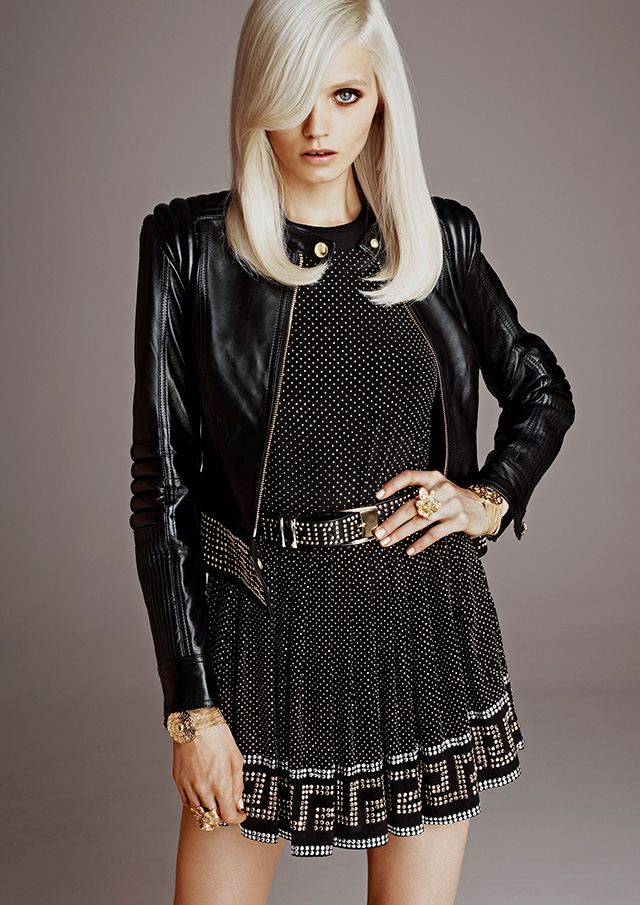

What is a fashion house? A fashion house is a company or creative establishment that designs, develops, and sells clothing, accessories, or related fashion collections under a recognizable name. Often associated with designer fashion and luxury craftsmanship, a fashion house brings together a distinctive aesthetic, skilled teams, and a long-term brand identity. But a fashion house is more than a logo on a handbag—it is the creative system behind the designs.
If you have ever wondered why brands such as Chanel, Dior, Gucci, or Prada are described as fashion houses, this guide explains what the term means, how fashion houses operate, and how they differ from ordinary clothing brands.
What Is a Fashion House? A Simple Definition
In simple terms, a fashion house is an organization that creates and markets fashion designs. Its work may include ready-to-wear collections, custom garments, shoes, handbags, accessories, and sometimes beauty or fragrance products. According to the Cambridge Dictionary, the term refers to a business that designs and sells new clothing and accessory styles, particularly higher-end designs.
The word house emphasizes the identity of the design organization rather than a single garment. A fashion house might have a founder whose name remains on the label for generations, a creative director who guides each season’s vision, and specialist craftspeople who translate ideas into finished pieces.
A Brief History of Fashion Houses
The modern fashion house developed alongside the rise of designer-led couture in Paris during the nineteenth century. Charles Frederick Worth is widely associated with the development of the early couture house, establishing his Paris fashion business in 1858. Instead of simply following a client’s instructions, designers increasingly presented their own creative collections. The Fédération de la Haute Couture et de la Mode traces the origins of the formal couture-house tradition to Worth’s work.
Over time, fashion houses developed recognizable signatures: a particular silhouette, tailoring method, fabric treatment, aesthetic, or point of view. Some grew beyond bespoke clothing into ready-to-wear, accessories, fragrance, and global retail. Their archives and heritage became part of how new collections were conceived and presented.
How Does a Fashion House Work?
Although every company is different, many established fashion houses bring several creative and business functions together.
1. Creative Direction and Design
A creative director or design leadership team defines the collection’s central concept. Designers research ideas, sketch garments, select fabrics, experiment with shapes, and develop samples. The collection should feel fresh while still reflecting the house’s recognizable identity.
2. Patternmaking, Sampling, and Craftsmanship
Technical teams transform sketches into wearable pieces through patternmaking, cutting, fitting, stitching, and finishing. In an atelier—the French word for a workshop—highly skilled specialists may produce intricate embroidery, draping, tailoring, or hand-finishing. Not every fashion house operates the same way, and some outsource portions of manufacturing.
3. Collection Development
Fashion houses often organize designs around seasonal collections, though the exact schedule and production model vary. A collection may include runway looks intended to express an artistic direction and more practical pieces developed for retail customers.
4. Branding, Marketing, and Retail
Campaigns, fashion shows, editorial imagery, boutiques, and online stores help communicate a collection’s story. A cohesive brand identity makes it easier for customers to recognize the house’s style across clothing, accessories, and other products.
Fashion House vs. Fashion Brand: What Is the Difference?
The terms fashion house and fashion brand overlap, but they are not always used in the same way. A fashion brand can be almost any company selling clothing or accessories under a recognizable name. A fashion house typically suggests a design-led organization with an established creative identity, often connected to designer heritage, craftsmanship, or a collection-based approach.
| Fashion House | Fashion Brand |
|---|---|
| Typically emphasizes design direction, heritage, and a distinct creative identity | Broad term covering luxury, contemporary, sportswear, and mass-market companies |
| May maintain ateliers, archives, and seasonal design collections | May focus more on product categories, distribution, or everyday retail |
| Often associated with designer labels or luxury fashion | Can describe businesses at virtually any price point |
These are useful distinctions rather than strict universal rules. A company can be both a fashion brand and a fashion house, and a newer independent designer can develop a house identity over time.
Fashion House vs. Haute Couture House
One important distinction is that not every fashion house is a haute couture house. Haute couture refers to a highly specialized tradition of made-to-measure design and craftsmanship. In France, the official haute couture designation is regulated and reserved for approved houses meeting specific criteria.
The Fédération de la Haute Couture et de la Mode explains that the haute couture committee considers expertise in craftsmanship, personalization, collection schedules, and atelier know-how. A ready-to-wear fashion house can be influential and prestigious without having official haute couture status.
Famous Examples of Fashion Houses
Several internationally recognized houses illustrate how a distinctive creative identity can endure even as collections and leadership change:
- Chanel: Known for enduring codes such as tweed tailoring, quilted accessories, and a recognizable approach to elegance.
- Dior: Associated with a long couture heritage and the influential postwar New Look silhouette.
- Gucci: An Italian fashion house with roots in leather goods and a broad luxury fashion offering.
- Prada: Known for combining luxury craftsmanship with experimental design ideas and modern cultural influences.
- Louis Vuitton: Originating in travel goods, the house has expanded into fashion, accessories, and other luxury categories.
These examples are not identical. Their histories, products, production systems, and creative approaches differ—which is precisely what makes the idea of a fashion house interesting.
Why Are Fashion Houses Important?
Fashion houses help shape the visual language of clothing. Their runway collections can introduce new silhouettes, color combinations, techniques, and styling ideas that later influence wider markets. They also preserve and reinterpret specialist skills, from tailoring to embroidery, that might otherwise receive less visibility.
At the same time, they are commercial businesses. Designers must balance creative experimentation with quality, budgets, supply chains, and what customers actually want to wear. Understanding this combination of art and business gives a fuller answer to the question, what is a fashion house?
Can You Start Your Own Fashion House?
Yes—although the term does not automatically confer luxury status or couture accreditation. An emerging designer can establish a distinctive label and build a fashion house over time. A practical starting point includes defining an audience, creating a consistent design point of view, developing quality products, researching manufacturing and pricing, and telling a clear brand story.
Instead of trying to imitate a famous luxury house, a new designer can stand out by solving a specific wardrobe problem or expressing an original cultural or aesthetic perspective. A strong identity matters more than simply using the word maison in a company name.
Frequently Asked Questions About Fashion Houses
What is a fashion house in simple words?
A fashion house is a business that designs and sells fashion, usually with a recognizable creative style or designer-led identity.
Is a fashion house the same as a clothing brand?
Not exactly. Every fashion house operates as a brand, but the term fashion house often implies an established design identity, collections, and fashion-industry heritage. The boundary is not rigid.
What is a luxury fashion house?
A luxury fashion house is a design-led business associated with premium positioning, craftsmanship, distinctive branding, and higher-priced fashion or accessories.
What does maison mean in fashion?
Maison is French for “house.” Fashion companies use it to refer to a design house, often emphasizing their creative identity and heritage.
Does every fashion house make haute couture?
No. Most fashion houses do not hold the official French haute couture designation. Many focus on ready-to-wear clothing and accessories.
Who works inside a fashion house?
Depending on its size, a fashion house can employ designers, creative directors, patternmakers, tailors, production specialists, merchandisers, marketers, stylists, and retail teams.
Final Thoughts
A fashion house brings together creativity, technical skills, and a distinct point of view to design and present fashion. Some are historic luxury institutions; others are emerging independent businesses developing their own signatures. What connects them is the idea that clothing can represent a consistent creative identity—not merely a collection of products.
For more style ideas and fashion education, explore the Fashion section at Velluna Journal. Learn more about our editorial perspective on the About Us page.